Vanilla Protein
Sorry, we couldn't find any results matching your search.
Go shoppingShop our Nutrition Range by Categories
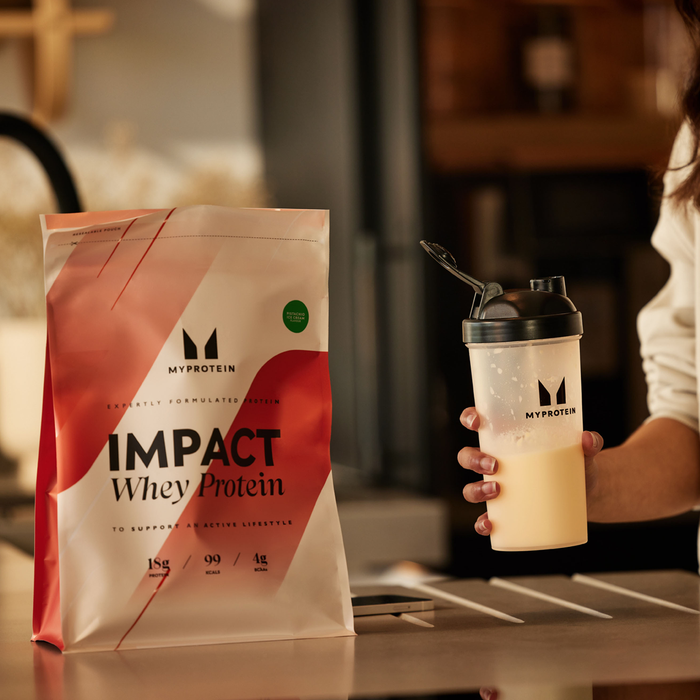


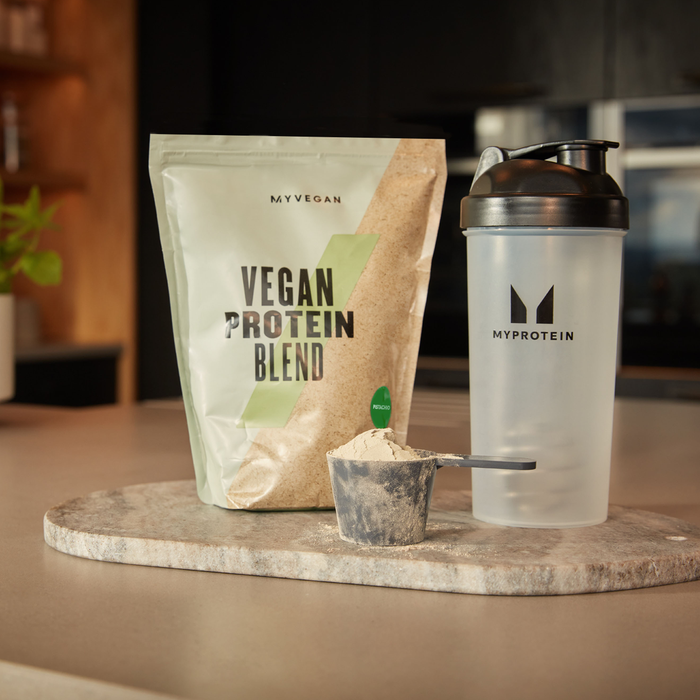


Shop Protein Shakes & Protein Powders at Myprotein
Protein shakes and protein powders have become essential tools for anyone working towards their fitness goals. Whether you're training for strength, endurance, or simply looking to increase your daily protein intake, these supplements offer a convenient way to meet your nutritional needs without the prep time of cooking whole foods.
At Myprotein, you'll find an extensive range of protein powders and ready-to-drink shakes designed to fit seamlessly into your routine. From whey protein concentrate and isolate to plant-based options like pea and soy protein, there's something to match every dietary preference and training objective. Each product is crafted by our expert nutritionists to deliver quality protein in formats that work for you.
Who Protein Shakes & Protein Powders Are For
These supplements suit anyone looking to increase their protein intake efficiently. Gym-goers and athletes often rely on protein powders to support their training programmes, whilst those with busy schedules appreciate the convenience of a quick shake between meetings or after a workout.
Plant-based eaters, vegetarians, and vegans can particularly benefit from protein supplements, as they provide an easy way to reach daily protein targets when whole food sources are limited. Whether you're new to fitness supplements or a seasoned athlete refining your nutrition strategy, protein shakes and powders offer flexibility that adapts to your lifestyle.
When to Use Protein Shakes & Protein Powders
Many people take protein shakes within 30-60 minutes after training, making it part of their post-workout routine. This timing works well when you need something quick and portable before heading home or to the office. Others prefer a protein shake first thing in the morning or as a snack between meals to keep their protein intake consistent throughout the day.
Ready-to-drink protein shakes excel when you're on the move, whilst protein powders offer more versatility at home or in the gym. You can blend powder into smoothies, mix it into oats, or stir it into yoghurt. The format you choose depends on your schedule and how you prefer to consume your supplements.
Protein Shakes & Protein Powders Benefits
Supports Muscle Goals
Protein contributes to the growth and maintenance of muscle mass1, making it a fundamental nutrient for anyone engaged in resistance training or regular exercise. Consuming adequate protein helps ensure your body has the building blocks needed for muscle tissue.
Convenient Protein Source
Protein powders and shakes deliver 20-30g of protein per serving without the preparation time of cooking chicken, fish, or other whole food sources. This convenience becomes particularly valuable when you're managing a demanding schedule or training multiple times per day.
Variety of Formats and Flavours
From vanilla protein powder to chocolate, strawberry, and unflavoured options, there's a taste to match every preference. You'll also find different protein types including whey, casein, and plant-based alternatives, allowing you to select based on dietary requirements or digestive comfort.
Supports Overall Nutrition
Protein contributes to the maintenance of normal bones2, making these supplements valuable beyond just muscle-related goals. Meeting your daily protein needs supports various bodily functions and helps maintain a balanced nutritional intake alongside your regular meals.
Popular Picks
Looking for a reliable everyday protein? Impact Whey Protein delivers 25g of protein that absorbs gradually over several hours. Many people take this before bed or during extended periods without food to maintain steady protein intake.
FAQs
What exactly are protein shakes and protein powders?
Protein powders are concentrated protein sources derived from whey, casein, soy, pea, or other ingredients, processed into a fine powder that mixes with liquid. Protein shakes refer to the drink you create by mixing powder with water, milk, or other liquids, or ready-to-drink beverages that come pre-mixed in bottles.
How do whey protein and plant-based protein differ?
Whey protein comes from milk during the cheese-making process and contains all nine essential amino acids. Plant-based proteins like soy, pea, or rice protein are derived from plant sources and suit vegan and lactose-intolerant individuals.
Both types provide quality protein, though whey typically absorbs faster whilst plant proteins may take longer to digest. The choice often comes down to dietary preferences, digestive comfort, and personal goals.
Which vanilla protein powder should I choose?
If you want a classic whey option, Impact Whey Protein in vanilla offers 21g of protein per serving and mixes easily with water or milk. For plant-based nutrition, Soy Protein Isolate in vanilla provides 27g of protein from soy.
Consider whether you prefer dairy or plant-based sources, how quickly you want the protein to absorb, and whether you'll mix it into recipes or drink it straight. Vanilla flavours work particularly well in smoothies and baking.
When should I take a vanilla protein shake?
Many people consume protein shakes within an hour after training as part of their post-workout routine. Others use them as a convenient breakfast option, a snack between meals, or before bed when choosing slower-digesting proteins like casein.
The timing depends on your daily schedule and training programme. What matters most is meeting your total daily protein intake consistently, rather than focusing solely on specific timing windows.
Can I use protein powder for cooking and baking?
Yes, protein powders work well in various recipes including pancakes, protein bars, muffins, and energy balls. Vanilla protein powder is particularly versatile as its neutral flavour complements both sweet and savoury dishes.
When baking, you may need to adjust liquid ratios as protein powder absorbs moisture differently than flour. Start by replacing a portion of flour rather than the entire amount to maintain texture.
What's the difference between protein concentrate and isolate?
Whey protein concentrate typically contains 70-80% protein by weight, with the remainder consisting of fats and carbohydrates including lactose. Whey protein isolate undergoes additional processing to remove most fats and lactose, resulting in 90%+ protein content.
Isolates generally cost more but suit those who are lactose-sensitive or want higher protein content per serving with minimal calories from other sources.
How much protein powder should I use per shake?
Most protein powders recommend one 25-30g scoop per serving, which typically provides 20-25g of protein. This amount mixes well with 200-300ml of liquid and delivers a substantial protein dose without being overly thick.
Your individual needs depend on your total daily protein target, body weight, and activity level. Some people use half scoops for lighter snacks or double scoops for higher protein requirements.
Are vanilla protein shakes suitable for weight management?
Protein shakes can fit into various nutritional strategies depending on how you use them. They provide a controlled amount of protein and calories, making it easier to track your intake compared to estimating portions from whole foods.
Whether you're looking to lose, maintain, or gain weight, the key is ensuring your total daily calorie and protein intake aligns with your goals. Protein shakes serve as one tool within a broader nutrition plan.
Who develops Myprotein's protein powder formulas?
Myprotein's expert nutritionists develop all our protein formulations, ensuring each product meets specific quality standards and delivers the protein content stated on the label. Our team considers factors like amino acid profiles, mixability, and taste when creating new products.
Many of our protein powders also carry Informed Sport or Informed Protein certification, meaning they're batch-tested for banned substances—important for competitive athletes who need assurance about what they're consuming.
Can I mix different protein powders together?
Yes, you can combine different protein powders to create custom blends that suit your preferences. Some people mix whey with casein for both fast and slow-absorbing proteins, whilst others blend vanilla protein powder with chocolate for varied flavour.
Mixing plant-based proteins like pea and rice can also provide a more complete amino acid profile. Experiment with ratios to find combinations that match your taste and nutritional objectives.
1. Protein contributes to a growth in muscle mass.
2. Protein contributes to the maintenance of normal bones.