Amino Acid Supplements
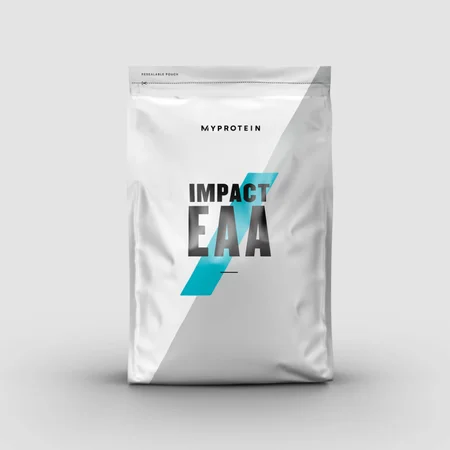
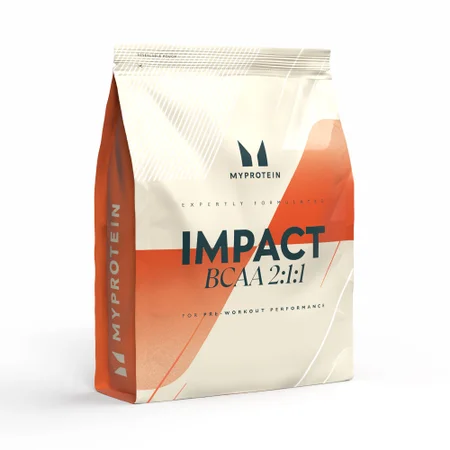
Shop Amino Acid Supplements at Myprotein
Amino acids are the building blocks of protein, playing a fundamental role in muscle tissue structure. Whether you're after essential amino acids (EAAs), branched-chain amino acids (BCAAs), or individual amino acids like glutamine, the range offers formats to suit different training routines and preferences.
From unflavoured powders that mix into shakes to flavoured options and convenient tablets, there's flexibility in how you add amino acids to your daily nutrition. Each product is developed by Myprotein's expert nutritionists to deliver quality amino acid supplementation.
Who Amino Acid Supplements Are For
Amino acid supplements suit anyone following a structured training programme, from gym-goers focusing on resistance work to endurance athletes. They're particularly popular with those looking to increase their amino acid intake around training sessions without consuming full meals or protein shakes.
BCAAs and EAAs appeal to people training in a fasted state or those who prefer a lighter option before workouts. Individual amino acids like glutamine are often chosen by experienced lifters who want to customise their supplement stack with specific building blocks.
When to Use Amino Acid Supplements
Many people take amino acids during training sessions, sipping them throughout their workout to maintain a steady supply. They're also common pre-workout, particularly for early morning sessions when eating a full meal isn't practical.
Post-workout timing works well too, either on its own or alongside other supplements. Some prefer taking amino acids between meals as part of their daily routine. The timing comes down to personal preference and how the supplements fit into your training schedule.
Amino Acid Supplements Benefits
Source of Essential Amino Acids
Essential amino acids can't be produced by the body, so they must come from diet or supplements. EAAs provide all nine essential amino acids, including the three BCAAs (leucine, isoleucine, and valine), offering a complete amino acid profile in convenient powder or tablet form.
Flexible Supplementation
Amino acid supplements offer a way to increase amino acid intake without the calories and digestion time of whole food. They're available in various formats – from unflavoured powders that blend into any drink to refreshing flavoured options and easy-to-carry tablets.
Leucine Content
Leucine is the most abundant BCAA in muscle tissue and often appears in higher ratios in BCAA formulas. Our Essential BCAA 2:1:1 Powder provides leucine alongside isoleucine and valine in a 2:1:1 ratio, making it straightforward to track leucine intake.
Convenient Around Training
Amino acid powders dissolve quickly in water, making them practical for the gym environment. Unlike protein shakes or meals, they're light and easy to consume during workouts, fitting naturally into training sessions without feeling heavy.
Popular Picks
Looking for a classic BCAA formula? Essential BCAA 2:1:1 Powder contains all nine essential amino acids, including the three BCAAs. It's formulated for those who prefer a comprehensive amino acid supplement rather than BCAAs alone.
FAQs
What are amino acid supplements?
Amino acid supplements provide individual amino acids or specific combinations like BCAAs (branched-chain amino acids) or EAAs (essential amino acids) in powder or tablet form. Amino acids are the building blocks that make up protein, with 20 different amino acids used by the human body.
Nine of these are classified as essential because the body can't produce them, so they must come from food or supplements. Amino acid supplements offer a concentrated source without the calories and digestion time of whole protein foods.
What's the difference between BCAAs and EAAs?
BCAAs contain three essential amino acids: leucine, isoleucine, and valine. These are called ”branched-chain” due to their molecular structure. EAAs contain all nine essential amino acids, which includes the three BCAAs plus six others (histidine, lysine, methionine, phenylalanine, threonine, and tryptophan).
EAAs provide a complete essential amino acid profile, while BCAAs focus specifically on the three branched-chain amino acids. Both are popular around training, with the choice depending on whether you want the full essential amino acid spectrum or just the BCAAs.
How do I choose between amino acid powder and tablets?
Powders offer flexibility in dosing and typically come in various flavours or unflavoured options that mix into shakes or water. They're popular for sipping during workouts and allow you to adjust serving sizes easily.
Tablets are convenient for travel, require no mixing, and work well for those who prefer unflavoured supplementation. The choice comes down to personal preference – some people keep powder at home and tablets for the gym bag.
When should I take amino acid supplements?
Common timing includes during workouts (sipped throughout training), pre-workout (especially for fasted sessions), or post-workout. Some people take them between meals as part of their daily supplement routine.
There's no single ”best” time – it depends on your training schedule and preferences. Many athletes take amino acids when they want to increase amino acid intake without consuming a full protein shake or meal.
Can I mix amino acid powder with protein shakes?
Yes, amino acid powders can be mixed with protein shakes if you want to combine them. However, since protein already contains all amino acids, many people take them separately – amino acids during or before training, and protein shakes post-workout or with meals.
If you're using unflavoured amino acid powder, it blends seamlessly into protein shakes or any other beverage without affecting taste.
What's glutamine and how is it different from BCAAs?
Glutamine is the most abundant amino acid found in muscle tissue, while BCAAs refer to three specific amino acids (leucine, isoleucine, valine). Glutamine is classified as conditionally essential, meaning the body can produce it, but demand may increase during intense training.
Many people include both in their supplement stack – BCAAs or EAAs around training, and glutamine post-workout or before bed. They serve different roles and aren't interchangeable.
Are amino acid supplements suitable for vegetarians and vegans?
Most amino acid supplements, including BCAAs and EAAs, are produced through fermentation processes and are suitable for vegetarians and vegans. Always check individual product labels for specific dietary information.
Amino acid supplements can be particularly useful for plant-based athletes looking to ensure adequate intake of all essential amino acids, especially if their protein sources are varied or limited.
Who develops Myprotein's amino acid supplements?
Myprotein's amino acid supplements are developed by our expert nutritionists who formulate products based on the latest research and athlete feedback. The team focuses on delivering quality amino acid profiles in formats that suit different training needs and preferences.
From classic BCAA ratios to complete EAA formulas, each product is designed with specific usage occasions in mind, whether that's intra-workout hydration or convenient tablet supplementation.
How much amino acid supplement should I take per day?
Typical serving sizes range from 4-10g for BCAA and EAA powders, depending on the product and your requirements. Many people take one serving around their main training session, though some use multiple servings throughout the day.
Start with the recommended serving on the product label and adjust based on your total protein intake from food and other supplements. There's no need to take amino acid supplements if you're already meeting your protein requirements through diet and protein shakes.
What flavours are available in amino acid powders?
Myprotein's amino acid supplements come in various flavours, from fruity options like berry and tropical to refreshing choices like lemon and lime. Unflavoured versions are also available for those who prefer to mix into their own drinks without added taste.
Flavoured amino acid drinks are particularly popular during training sessions as a refreshing alternative to plain water, while unflavoured powders work well for mixing into protein shakes or other supplements.