Vitamins for Skin
1
Shop Vitamins for Skin at Myprotein
Looking for the best vitamins for skin to support your beauty routine? Myprotein's range of skin vitamins delivers targeted nutrition in convenient formats. From hyaluronic acid tablets to biotin capsules, each product is developed by expert nutritionists and backed by rigorous quality standards.
Our vitamins for healthy skin collection includes individual nutrients and comprehensive complexes. Whether you're after vitamin C for collagen formation or vitamin A for normal skin maintenance, you'll find clinically-backed options that fit seamlessly into your daily regimen. All products are third-party tested and manufactured in GMP-certified facilities.
Who These Are For
Skin health vitamins suit anyone looking to complement their nutrition with targeted micronutrients. These supplements work for people who want convenient, measured doses of specific vitamins alongside a balanced diet. They're equally relevant whether you're focusing on general wellness or addressing particular nutritional gaps.
From busy professionals to fitness enthusiasts, vitamins for skin fit varied lifestyles. Available in tablets, capsules, and powders, they offer flexible dosing that adapts to individual routines. Many users integrate them into morning or evening rituals, pairing them with meals for optimal absorption.
When to Use Vitamins for Skin
Most skin vitamins work best when taken with food, as certain nutrients require dietary fats for proper absorption. Morning or evening dosing depends on personal preference and the specific vitamin—some people prefer starting their day with their supplement routine, whilst others incorporate it into their evening wind-down.
Consistency matters more than exact timing. Taking your vitamins for skin at the same time daily helps establish a sustainable habit. If you're combining multiple supplements, spacing them throughout the day can aid absorption, though most formulations are designed to work together when taken as directed.
Vitamins for Skin Benefits
Supports Collagen Formation
Vitamin C contributes to normal collagen formation for the normal function of skin.1 Collagen is a structural protein that forms part of the skin's dermal layer. Many formulations combine vitamin C with other nutrients to provide comprehensive nutritional support.
Maintains Normal Skin
Vitamins A and B2 (riboflavin) contribute to the maintenance of normal skin.2,3 These essential micronutrients play distinct roles in cellular processes. Biotin also contributes to the maintenance of normal skin,4 making it a popular choice in beauty-focused supplement stacks.
Protects Against Oxidative Stress
Vitamin C and vitamin E contribute to the protection of cells from oxidative stress.5,6 Oxidative stress results from an imbalance between free radicals and antioxidants in the body. These vitamins work through complementary mechanisms, with vitamin C helping to regenerate the reduced form of vitamin E.7
Convenient Daily Nutrition
Tablets and capsules provide precise, measured doses without the need for mixing or preparation. This makes them ideal for travel, busy schedules, or anyone who prefers straightforward supplementation. Single-nutrient options allow you to target specific vitamins, whilst multivitamin complexes offer broader nutritional coverage.
Popular Picks
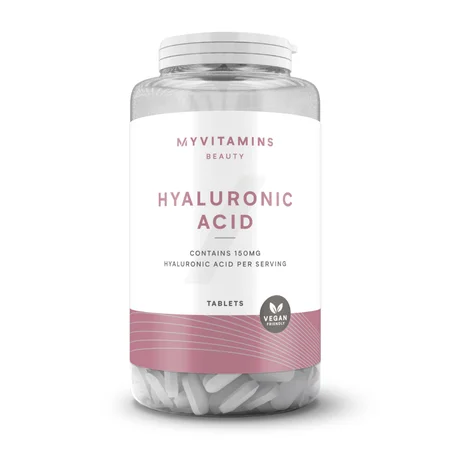
Want to target skin hydration? Hyaluronic Acid Tablets deliver 10,000�g of biotin (vitamin B7) per tablet. Biotin contributes to the maintenance of normal skin,4 making it a popular choice for those focusing on beauty-related supplementation. The tablet format ensures precise, consistent dosing.
FAQs
What are vitamins for skin?
Vitamins for skin are micronutrient supplements designed to complement dietary intake of specific vitamins associated with skin health. They typically contain individual nutrients like vitamin C, vitamin A, or biotin, or combinations thereof. These products come in tablets, capsules, and powder formats for flexible dosing.
Common skin vitamins include vitamin C, which contributes to normal collagen formation for the normal function of skin,1 and vitamin A, which contributes to the maintenance of normal skin.2 Riboflavin and biotin also contribute to the maintenance of normal skin,3,4 whilst vitamin E contributes to the protection of cells from oxidative stress.6
How do vitamins for skin differ from standard multivitamins?
Skin-focused vitamin supplements often feature higher concentrations of nutrients specifically associated with skin structure and function. Whilst multivitamins provide broad-spectrum nutrition, targeted formulations prioritise vitamins like C, A, E, and biotin. Single-nutrient products allow precise control over individual vitamin intake.
Standard multivitamins aim for balanced daily nutrition across all essential micronutrients. Skin vitamin products concentrate on specific nutrients at potentially higher doses than general formulations. Both approaches have merit depending on your overall nutritional strategy and specific goals.
Which vitamins contribute to normal skin maintenance?
Several vitamins contribute to the maintenance of normal skin through authorised EU health claims. Vitamin A contributes to the maintenance of normal skin,2 as does riboflavin (vitamin B2).3 Biotin also contributes to the maintenance of normal skin,4 whilst niacin serves a similar function.9
Vitamin C operates differently by contributing to normal collagen formation for the normal function of skin,1 addressing the structural protein aspect. Zinc contributes to the maintenance of normal skin8 and also contributes to the protection of cells from oxidative stress.10 These nutrients work through distinct biological mechanisms.
When should I take skin vitamins?
Fat-soluble vitamins (A, D, E, K) absorb best when taken with meals containing dietary fats. Water-soluble vitamins (C, B-complex including biotin) can be taken with or without food, though some people prefer taking them with meals to minimise potential stomach discomfort. Timing ultimately depends on your routine and the specific vitamin.
Consistency matters more than precise timing. Taking your supplements at the same time daily—whether morning, afternoon, or evening—helps establish a sustainable habit. If you're taking multiple vitamins, check product labels for any specific timing recommendations or potential interactions.
Can I combine different skin vitamins?
Most skin vitamins can be combined safely, and many formulations intentionally blend complementary nutrients. Vitamin C and vitamin E, for instance, work synergistically, with vitamin C contributing to the regeneration of the reduced form of vitamin E.7 Multi-nutrient complexes are specifically designed with compatible dosing and absorption profiles.
When combining individual supplements, check total intake against recommended upper limits for each nutrient. Some vitamins, particularly fat-soluble ones, can accumulate in the body. If you're using multiple products, review the combined dosages or consult a healthcare professional for personalised guidance.
How do I choose between tablets, capsules, and powders?
Tablets and capsules offer precise, pre-measured doses that require no preparation—ideal for travel and busy schedules. Tablets may be scored for splitting if you need flexible dosing, whilst capsules typically break down faster in the digestive system. Both formats provide long shelf stability and easy storage.
Powders allow dose customisation and suit those who prefer liquids or have difficulty swallowing pills. They mix into water, juice, or smoothies, though some have distinct tastes that may require flavouring. Powders offer versatility but require measuring and mixing, making them less convenient for on-the-go use.
What's the difference between synthetic and natural vitamins?
Synthetic vitamins are manufactured through chemical processes, whilst natural vitamins derive from whole food sources. Chemically, many synthetic vitamins are identical to their natural counterparts—vitamin C is ascorbic acid whether synthesised or extracted from acerola cherries. The molecular structure determines biological activity, not the source.
Some vitamins exist in multiple forms with varying bioavailability. Vitamin E, for example, occurs as several tocopherols, with natural d-alpha-tocopherol differing from synthetic dl-alpha-tocopherol. Product labels specify the form used. Both synthetic and natural vitamins undergo the same rigorous quality testing and contribute to normal body functions when used as directed.
Who develops Myprotein's skin vitamin products?
Myprotein's expert nutritionists develop all skin vitamin formulations, selecting specific nutrient forms and dosages based on current nutritional science. Each product undergoes third-party testing for purity and potency, ensuring label claims match contents. The development process combines scientific research with practical considerations like palatability and shelf stability.
Manufacturing takes place in GMP-certified facilities that meet strict quality standards. Batch testing verifies that products are free from contaminants and contain declared nutrient levels. This quality framework ensures consistency across production runs, giving you confidence in what you're taking.
How long does a typical bottle last?
Duration depends on serving size and container size. A 60-tablet bottle with a one-tablet daily serving lasts two months, whilst a 180-tablet bottle at the same dose provides a six-month supply. Product pages specify both tablet count and servings per container for easy calculation.
Larger containers often offer better value per serving and reduce reordering frequency. Check the suggested use on the label to determine exact duration. If you're taking multiple vitamins or varying your dose, you'll need to adjust calculations accordingly.
What's the best way to store skin vitamins?
Store vitamins in their original containers with lids tightly closed, away from direct sunlight, heat, and moisture. A cool, dry cupboard works well—avoid bathrooms and windowsills where temperature and humidity fluctuate. Proper storage preserves potency throughout the product's shelf life.
Check expiry dates regularly and use older bottles first if you've stocked up. Powders are particularly sensitive to moisture, so ensure lids seal completely after each use. Some vitamins, like vitamin C, may change colour over time without losing efficacy, but unusual odours or appearance warrant replacement.
1. Vitamin C contributes to normal collagen formation for the normal function of skin.
2. Vitamin A contributes to the maintenance of normal skin.
3. Riboflavin contributes to the maintenance of normal skin.
4. Biotin contributes to the maintenance of normal skin.
5. Vitamin C contributes to the protection of cells from oxidative stress.
6. Vitamin E contributes to the protection of cells from oxidative stress.
7. Vitamin C contributes to the regeneration of the reduced form of vitamin E.
8. Zinc contributes to the maintenance of normal skin.
9. Niacin contributes to the maintenance of normal skin.
10. Zinc contributes to the protection of cells from oxidative stress.