Protein Bars

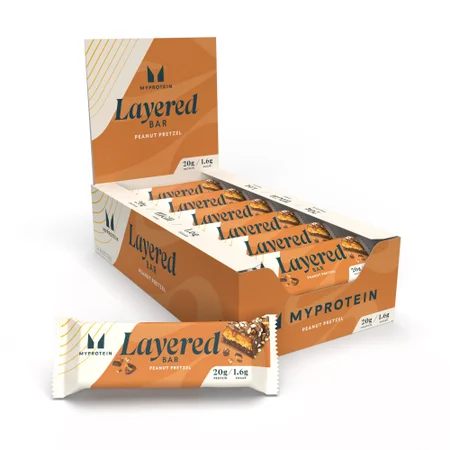
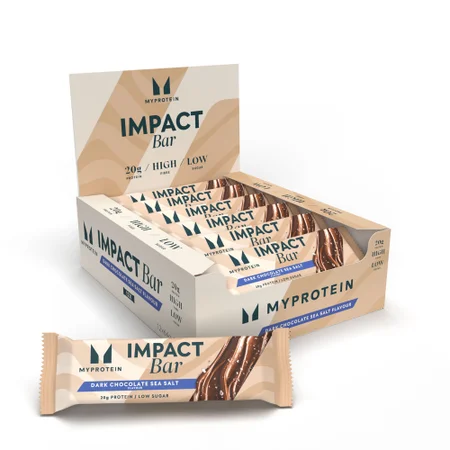
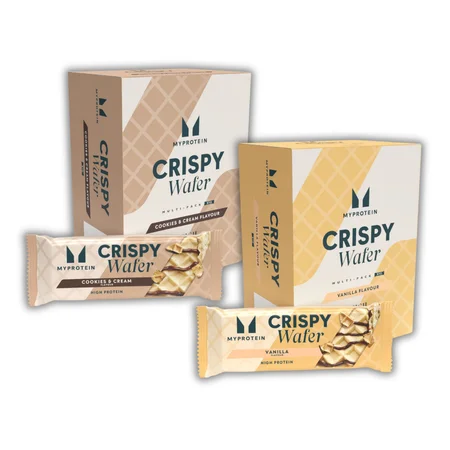


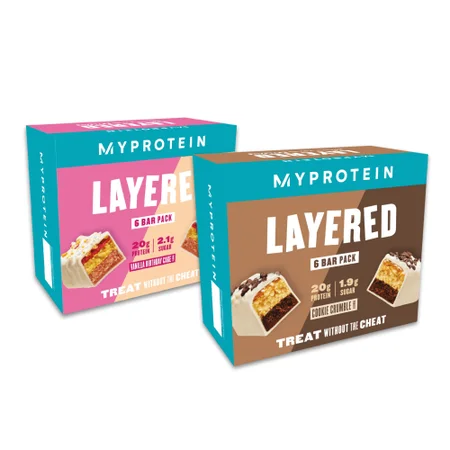
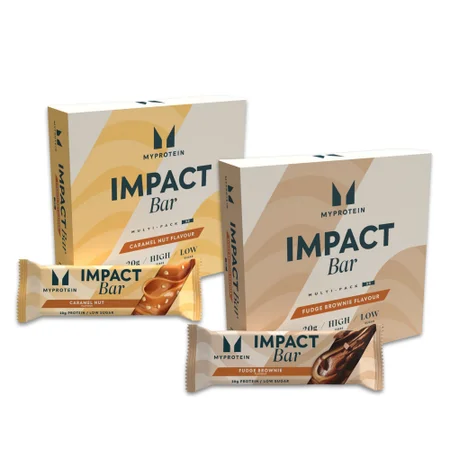
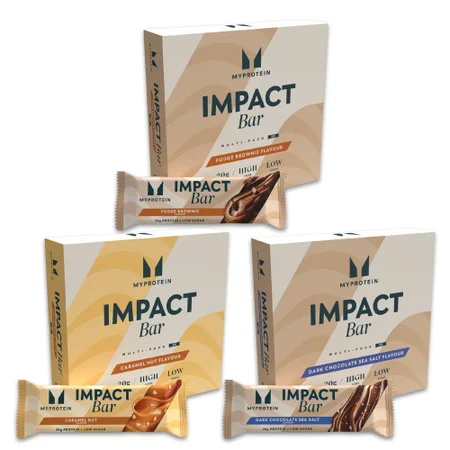
Shop Protein Bars at Myprotein
Protein bars offer a convenient way to increase your daily protein intake when you're short on time or away from home. Each bar delivers a concentrated source of protein in a portable format that fits easily into your gym bag, desk drawer, or travel pack.
The range includes layered bars, flapjacks, wafers, and protein-enriched snacks in various flavours. Whether you prefer chocolate, caramel, peanut butter, or fruit-based options, there's a protein bar designed to match your taste preferences whilst delivering the macros you need.
Who These Are For
Protein bars suit anyone looking to maintain their protein intake throughout the day without meal preparation. They're particularly useful for people with busy schedules who need nutritious options between meetings, during travel, or between training sessions.
Gym-goers, athletes, and active individuals often keep protein bars on hand as post-workout snacks or between-meal options. They're equally valuable for anyone following a high-protein eating plan who needs convenient alternatives to traditional protein sources like chicken, fish, or shakes.
When to Use Protein Bars
Many people consume protein bars after training sessions as a quick protein source when they can't prepare a full meal. The portable format makes them ideal for the journey home from the gym or during the window after exercise when you want to refuel.
They're also practical as between-meal snacks throughout the day, particularly during long working hours or when you're travelling. Some prefer them mid-morning or mid-afternoon to maintain steady protein intake, whilst others use them as a dessert alternative that contributes to daily protein targets.
Protein Bars Benefits
Convenient Protein Source
Each bar provides a substantial amount of protein in a ready-to-eat format that requires no preparation, refrigeration, or cooking. This makes it simple to maintain your protein intake even during the busiest days.
Portable Nutrition
The individually wrapped bars are lightweight and compact, fitting easily into bags, pockets, or car compartments. You can carry them anywhere without worrying about temperature control or spillage.
Variety of Flavours
From classic chocolate and caramel to unique combinations like peanut pretzel or salted fudge, the range offers numerous flavour profiles. This variety helps prevent flavour fatigue when consuming protein bars regularly.
Controlled Portions
Each bar comes pre-portioned with clear nutritional information, making it straightforward to track your protein, carbohydrate, and calorie intake. There's no guesswork involved in measuring or weighing portions.
Popular Picks
Looking for something different? Layered Protein Bar - Peanut Pretzel - These crispy wafer bars provide a completely different texture experience compared to traditional protein bars, with customisable flavour pairings so you can enjoy variety in every order.
FAQs
What exactly are protein bars?
Protein bars are convenient snack bars formulated to contain a high concentration of protein, typically ranging from 15g to 30g per bar depending on the product. They combine protein sources like whey, milk protein, or plant proteins with other ingredients such as nuts, grains, sweeteners, and flavourings to create a palatable, shelf-stable product.
Unlike regular cereal bars or snack bars that focus primarily on carbohydrates, protein bars are designed to deliver a substantial protein hit in a portable format. They're manufactured to maintain freshness without refrigeration, making them practical for carrying in gym bags, office drawers, or during travel.
How do protein bars compare to protein shakes?
Protein bars and shakes both serve as convenient protein sources, but they differ in texture, preparation, and practical usage. Bars require no mixing or preparation and don't need liquid, making them more portable and shelf-stable. Shakes typically offer faster digestion and can be consumed more quickly, but require water or milk plus a shaker or blender.
The choice often comes down to personal preference and situation. Bars work better when you can't access liquids or mixing equipment, whilst shakes might be preferred immediately post-workout when you want rapid consumption. Many people use both at different times depending on their schedule and circumstances.
What's the difference between high protein bars and regular protein bars?
High protein bars typically contain 20g or more of protein per serving, whilst regular protein bars might contain anywhere from 10g to 20g. The distinction isn't officially regulated, but ”high protein” generally indicates products at the upper end of the protein spectrum within the category.
Beyond just protein content, high protein bars often have adjusted macronutrient profiles with lower carbohydrate or sugar content to maintain a higher protein-to-calorie ratio. They're designed for people specifically focused on maximising protein intake rather than those looking for a balanced snack bar.
How should I choose between layered bars, flapjacks, and protein wafers?
The choice largely depends on texture preference. Layered bars offer a combination of textures with distinct layers of coating, filling, and base, creating a more complex eating experience. Protein flapjacks provide a chewy, oat-based texture similar to traditional flapjacks but with added protein.
Protein wafers deliver a light, crispy texture that some find less filling or heavy than dense layered bars. Consider trying samples of each style to determine which texture you prefer for regular consumption, as you're more likely to consistently use products you genuinely enjoy eating.
Can I use protein bars as meal replacements?
Whilst protein bars can contribute to your daily nutrition, they're formulated as snacks rather than complete meals. Most bars lack the full spectrum of vitamins, minerals, fibre, and complex nutrients found in whole-food meals. They're best used to supplement your protein intake between meals rather than replace balanced meals entirely.
Occasional use as a meal substitute during exceptionally busy periods won't cause issues, but relying on them as primary meal replacements long-term means missing out on the nutritional diversity your body needs from vegetables, fruits, whole grains, and various protein sources.
Who developed Myprotein's protein bar range?
Myprotein's protein bars are developed by the brand's expert nutritionists and product development team, who work to create products that balance nutrition, taste, and texture. The range undergoes continuous refinement based on customer feedback, nutritional research, and emerging flavour trends.
The development process involves extensive testing of ingredient combinations, protein sources, sweetening systems, and manufacturing techniques to produce bars that deliver on both nutritional targets and eating enjoyment. Each product is formulated to meet specific nutritional profiles whilst maintaining quality and taste standards.
What are protein snack bars and how do they differ from standard protein bars?
Protein snack bars typically refer to smaller, bite-sized versions or lighter protein bars designed specifically for between-meal snacking rather than post-workout recovery. They often contain slightly lower protein amounts (10-15g) compared to full-sized protein bars, with a focus on convenience and portion control.
These products occupy the space between traditional confectionery snacks and full protein bars, offering a middle ground for people who want some protein contribution without the density or calorie load of a complete protein bar. They're particularly useful for mid-morning or mid-afternoon snacking.
How do I store protein bars to maintain freshness?
Store protein bars in a cool, dry place away from direct sunlight and heat sources. Excessive heat can cause chocolate coatings to melt or the bar texture to become soft and sticky. Most protein bars remain stable at room temperature but maintain better texture when stored in moderate conditions.
Check the best-before date on packaging and try to consume older stock first if you buy in bulk. Whilst protein bars have relatively long shelf lives, their texture and flavour are best when consumed within the recommended timeframe. Some people prefer refrigerating chocolate-coated bars for a firmer texture, though this is purely preference-based.
What should I look for on the nutrition label when buying protein bars?
Start with the protein content per bar to ensure it meets your requirements, then check the total calorie count to see how it fits your daily targets. Look at the carbohydrate breakdown, particularly sugar content, if you're monitoring those macros. The ingredient list reveals the protein sources used and whether the bar contains allergens relevant to you.
Don't focus solely on protein whilst ignoring other nutritional factors. Some bars achieve high protein numbers but also contain significant amounts of saturated fat or sugars. Consider the overall nutritional profile in context of how you'll use the bar, whether that's post-workout fuel or a between-meal snack, to choose products that align with your broader nutritional approach.
Are Myprotein's bars suitable for specific dietary requirements?
The protein bar range includes various options suitable for different dietary approaches. Many bars are suitable for vegetarians, with some options specifically formulated for vegan diets using plant-based proteins. Always check individual product labels for allergen information, as bars may contain nuts, dairy, soy, or gluten depending on the specific product.
Individual product pages provide detailed ingredient lists and allergen declarations. If you have specific dietary restrictions or allergies, review this information carefully before purchasing, as different products within the range use different formulations and ingredient sources.
1. Protein contributes to a growth in muscle mass.
2. Protein contributes to the maintenance of muscle mass.