Milk Protein
1
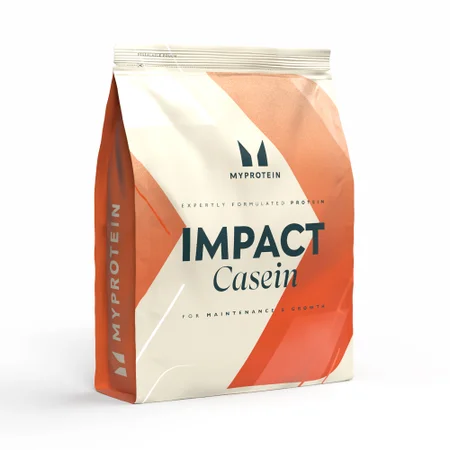
Shop Milk Protein at Myprotein
Milk protein is a complete protein source derived from cow's milk, containing both whey and casein in their natural ratio. As one of the most researched and widely used protein sources in sports nutrition, milk protein provides all nine essential amino acids your body needs but can't produce on its own.
Whether you're after fast-absorbing whey for post-workout nutrition or slow-digesting casein for sustained amino acid delivery, our range of milk protein supplements offers flexible options to suit different training schedules and dietary preferences. From convenient powders to ready-to-drink formats, there's a milk protein solution for every routine.
Who Milk Proteins Are For
Milk protein supplements work for anyone looking to increase their daily protein intake through a convenient, high-quality source. Gym-goers, athletes, and active individuals often turn to milk protein as a practical way to meet their nutritional needs, particularly when whole food options aren't readily available.
These supplements are equally valuable for those with busy lifestyles who struggle to consistently consume adequate protein from meals alone. From early morning training sessions to late-night work commitments, milk protein offers a straightforward solution that fits around your schedule rather than dictating it.
When to Use Milk Protein
The timing of your milk protein intake depends on which type you choose. Fast-digesting whey protein is commonly consumed within an hour after training, whilst slow-release casein is often taken before bed or during extended periods without food. Many people use both types strategically throughout the day to maintain consistent amino acid availability.
You can also incorporate milk protein into meals and snacks. Blend it into smoothies, stir it into porridge, or mix it into baking recipes to boost the protein content of everyday foods. There's no single ”correct” time – the best approach is one that helps you consistently meet your daily protein targets.
Milk Protein Benefits
Complete Amino Acid Profile
Milk protein delivers all nine essential amino acids in meaningful quantities, making it a complete protein source. This includes leucine, isoleucine, and valine – the three branched-chain amino acids (BCAAs) that form part of your body's protein structures.
Supports Your Training Goals
Protein contributes to the growth and maintenance of muscle mass1, making milk protein supplements a practical choice for those engaged in resistance training or other physical activities. Whether you're working towards strength gains or simply maintaining your current physique, adequate protein intake plays a foundational role.
Convenient and Versatile
From single-serving sachets to bulk powder tubs, milk protein supplements fit seamlessly into different lifestyles. Mix them with water for a quick shake, blend them with fruit for a smoothie, or incorporate them into recipes. The versatility means you're more likely to stick with your protein intake goals long-term.
Naturally Contains Both Whey and Casein
Milk protein in its natural form contains approximately 80% casein and 20% whey, offering both fast and slow-digesting protein fractions. This combination provides an initial spike in amino acids followed by sustained release, though individual whey or casein products let you control the absorption rate more precisely based on your specific needs.
Popular Picks
Looking for rapid absorption after training? Impact Whey Protein provides gradually digested milk protein that forms a gel in your stomach, releasing amino acids steadily for hours. Many people take this before bed to maintain amino acid availability whilst they sleep.
FAQs
What exactly is milk protein?
Milk protein is the collective term for the protein naturally found in cow's milk, consisting primarily of casein (approximately 80%) and whey (approximately 20%). These two protein fractions have different digestion rates – whey is absorbed quickly whilst casein digests more slowly – and together they provide all nine essential amino acids your body requires from dietary sources.
How does milk protein differ from whey protein?
Whey protein is just one component extracted from milk, representing the fast-digesting fraction. Milk protein supplements contain both whey and casein in their natural ratio, offering a combination of rapid and sustained amino acid release.
If you're after immediate post-workout nutrition, isolated whey might be more appropriate. For longer periods without food or overnight use, the casein content in milk protein or dedicated casein products provides extended amino acid availability.
Can I use milk protein if I'm lactose intolerant?
Milk protein naturally contains lactose, though the amount varies between products. Some people with mild lactose sensitivity tolerate it without issues, whilst others experience digestive discomfort. Whey protein isolate typically contains minimal lactose due to additional processing, making it a potential alternative.
If you have diagnosed lactose intolerance, consider lactose-free protein options or plant-based alternatives. Always check product labels for specific lactose content and consult the nutritional information before purchasing.
How much milk protein should I consume daily?
Protein requirements vary based on body weight, activity level, and training goals, but general recommendations suggest 1.2-2.2g of protein per kilogram of body weight for active individuals. Milk protein supplements help you reach these targets when whole food sources aren't convenient or sufficient.
Rather than focusing solely on supplement intake, calculate your total daily protein from all sources – meals, snacks, and supplements combined. Use milk protein to fill gaps in your nutrition rather than as a complete replacement for protein-rich foods.
What's the difference between milk protein concentrate and isolate?
Milk protein concentrate typically contains 80-85% protein by weight, with the remainder comprising lactose, fat, and minerals. Milk protein isolate undergoes additional processing to remove more of these components, resulting in 90%+ protein content with minimal carbohydrates and fat.
Isolates are slightly higher in protein per serving and lower in calories, making them useful for those watching their overall calorie intake. Concentrates are generally more economical whilst still providing substantial protein content.
Can I cook or bake with milk protein powder?
Milk protein powders work well in various recipes, from protein pancakes to baked goods. Heat doesn't destroy the amino acids, though it can affect texture and mixing properties. Start by replacing 25-30% of the flour in recipes with protein powder and adjust based on results.
Keep in mind that protein powders absorb more liquid than flour, so you may need to add extra moisture to your recipes. Experiment with small batches first to find the right balance for your preferred texture and taste.
Is milk protein suitable for vegetarians?
Milk protein is suitable for lacto-vegetarians as it's derived from cow's milk rather than animal slaughter. However, it's not appropriate for vegans or those avoiding all dairy products. Check individual product labels, as some may contain additional ingredients that affect their vegetarian status.
Who develops Myprotein's milk protein supplements?
Myprotein's expert nutritionists develop our milk protein range, working to create products that balance quality, taste, and value. The team considers factors like amino acid profiles, protein concentration, mixability, and flavour options to ensure the products meet the practical needs of people with active lifestyles.
How do I choose between dairy protein powder options?
Your choice depends on when you plan to use the supplement and your specific goals. For post-workout nutrition, whey protein's rapid absorption makes it a popular choice. For sustained amino acid delivery between meals or overnight, casein or milk protein (containing both fractions) provides longer-lasting effects.
Consider your budget, taste preferences, and how the supplement fits into your daily routine. A combination approach – using whey after training and casein before bed – is common among those who train regularly, though a single milk protein product containing both fractions can simplify your supplement routine.
What's the best way to mix milk protein powder?
Add your liquid first (water, milk, or plant-based alternative), then add the powder, and shake or blend thoroughly. This order prevents clumping and ensures smoother consistency. A shaker bottle with a mixing ball or blender works better than stirring with a spoon, particularly for casein-containing products that thicken when mixed.
The amount of liquid affects both taste and texture – less liquid creates a thicker, more intense shake whilst more liquid produces a lighter consistency. Start with the serving suggestion on the label and adjust to your preference.
1. Protein contributes to the growth and maintenance of muscle mass.